Aluminium Windows in Nepal: Design, Quality & Installation

Aluminium Windows in Nepal: Design, Quality, and Installation Guide
Aluminium windows have become one of the most preferred window solutions in Nepal for modern homes, commercial buildings, offices, and renovation projects. Their popularity comes from a simple combination of benefits: they are strong, long-lasting, low-maintenance, and visually clean.
But not all aluminium windows perform the same.
Two windows may look similar from a distance, yet differ significantly in profile quality, structural strength, sealing, hardware, finishing, and installation accuracy. That is why choosing aluminium windows should not be based solely on appearance.
At Sky Light Pvt. Ltd., we design, fabricate, and install customized aluminium windows in Nepal for residential and commercial projects. This guide explains what aluminium windows are, why they are widely used, what affects their quality, and how to choose a system that performs well over time.
Why Aluminium Windows Are Widely Used in Nepal
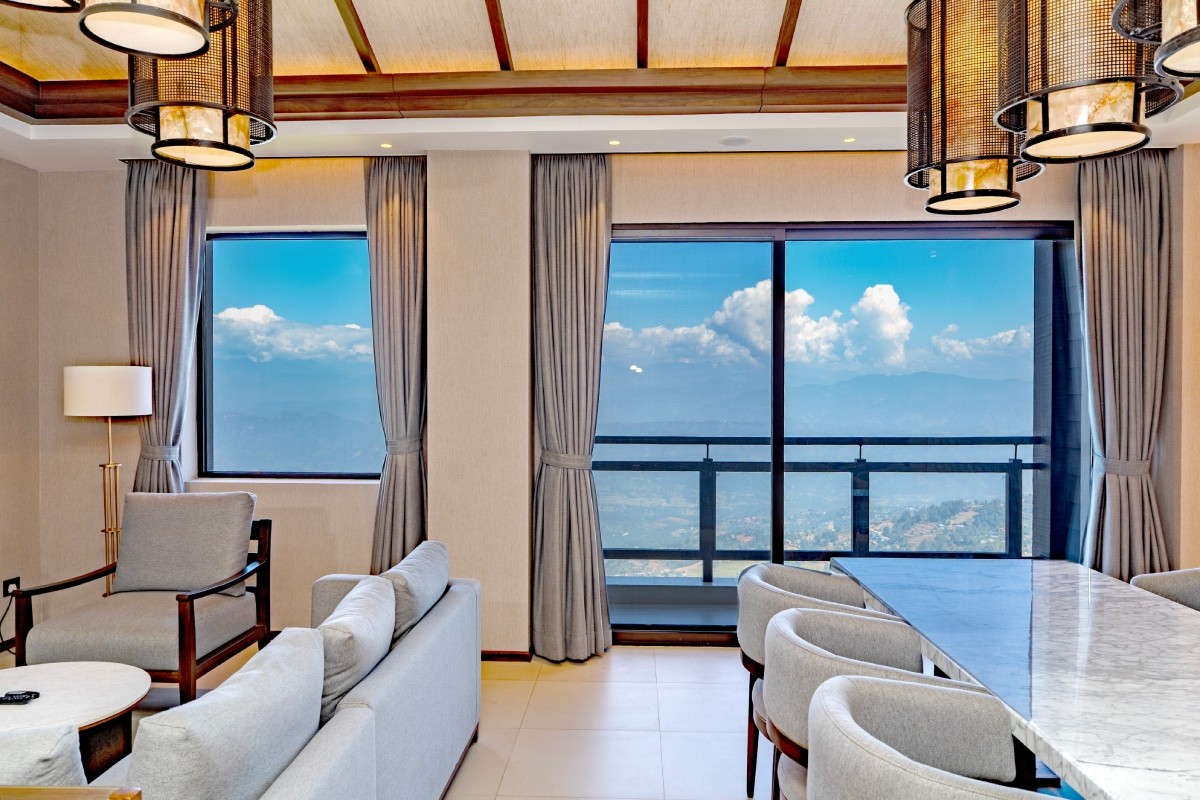
Aluminium windows are suitable for Nepal’s changing climate, varied building types, and modern architectural styles. They are commonly used in houses, apartments, offices, showrooms, and institutional buildings because they offer both strength and design flexibility.
Some of the main reasons property owners choose aluminium windows include:
- long service life
- resistance to moisture and rust
- slim and modern appearance
- low maintenance requirements
- suitability for both small and large openings
- compatibility with different glass options and finishes
For many projects, aluminium offers a cleaner and more practical alternative to traditional wooden window systems.
What Makes a Good Aluminium Window
When people compare aluminium windows in Nepal, they often focus only on the opening style or visual finish. In reality, overall quality depends on several components working together.
1. Aluminium profile quality
The profile is the structural body of the window. Its quality affects strength, stability, alignment, and long-term durability.
A good aluminium profile should be suitable for the size of the opening and the intended use. Larger windows, upper-floor installations, and commercial projects usually require stronger sections than standard residential openings.
2. Glass selection
Glass has a direct impact on comfort, privacy, light control, and noise reduction.
Depending on the project, aluminium windows can be paired with:
- Clear glass for standard use
- Tinted glass for glare and privacy control
- Reflective glass for heat and visibility management
- Laminated glass for improved safety and moderate sound reduction
- Double-glazed glass for better acoustic and thermal performance
Hardware and accessories
Good hardware is essential for smooth operation and long-term reliability. Poor rollers, weak locks, or low-grade hinges can make even a decent-looking aluminium window frustrating to use.
The quality of the following parts should always be checked:
- rollers
- handles
- locks
- hinges
- tracks
- support fittings
4. Sealing and finishing
One of the biggest performance differences in aluminium windows comes from sealing quality. A poorly sealed window may allow dust, water, or outside noise to enter, even if the frame itself looks good.
This is especially important in Nepal, where buildings may face seasonal rain, roadside dust, and temperature changes throughout the year.
5. Installation accuracy
Even a good aluminium window system can underperform if installation is rushed or poorly executed. Alignment, anchoring, drainage, and edge sealing all influence final performance.
In many cases, complaints about leakage or rough operation are installation problems rather than material problems.
Aluminium Window Design Options in Nepal

One of the reasons aluminium windows in Nepal are so widely used is that they can support a range of design styles without becoming bulky or visually heavy.
Sliding aluminium window design
Sliding windows remain one of the most common design choices because they look clean, save space, and work well in modern elevations.
Casement aluminium window design
Casement windows create a more traditional opening function while still maintaining a clean aluminium frame. They are often selected where stronger ventilation is important.
Fixed aluminium window design
Fixed windows are ideal where the goal is to bring in light, open up the view, or create a stronger architectural effect without requiring an opening function.
Combination window design
Many projects use a mix of fixed and operable sections in the same frame. This creates a better balance between design, daylight, and practical use.
Custom finishes and colours
Powder-coated finishes are commonly used for aluminium windows in Nepal. Standard colours are widely available, while custom colours can be selected depending on the project design.
Aluminium Windows for Homes and Commercial Buildings
This blog should stay broader than the apartment article, so instead of room-by-room detail, position the use cases at the project level.
For homes
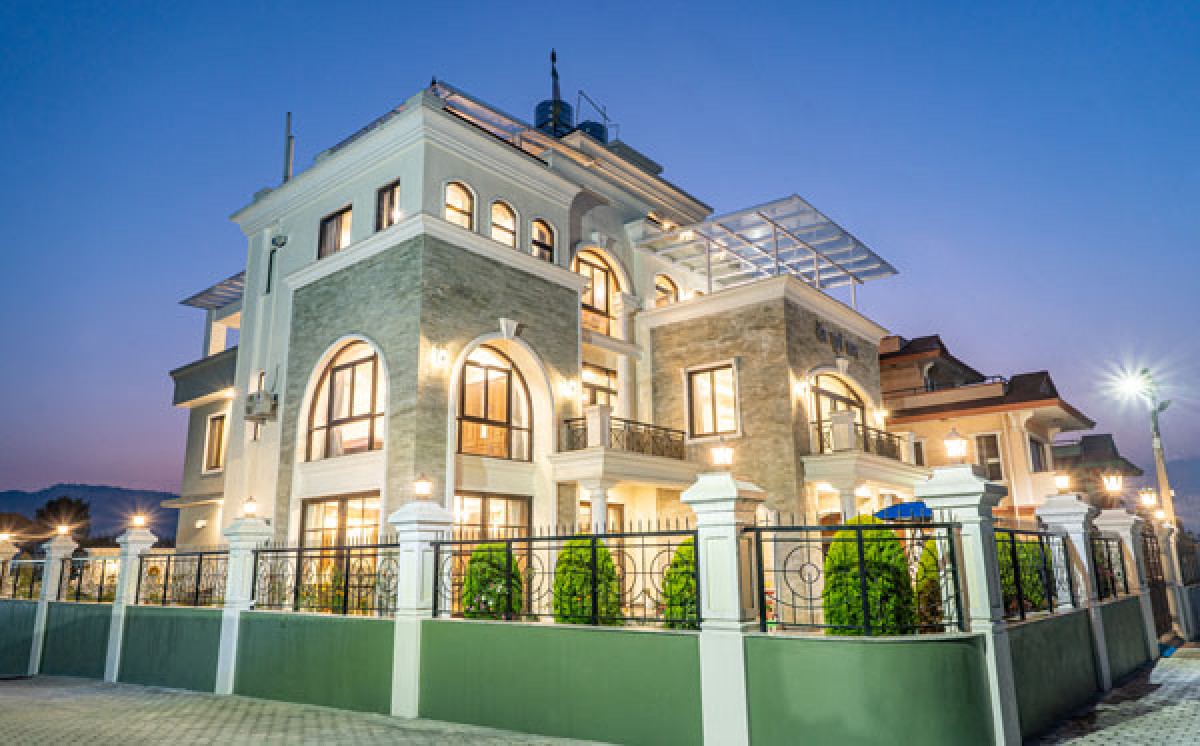
In residential buildings, aluminium windows are often chosen for their long lifespan, cleaner appearance, and lower maintenance compared to timber systems.
For commercial spaces
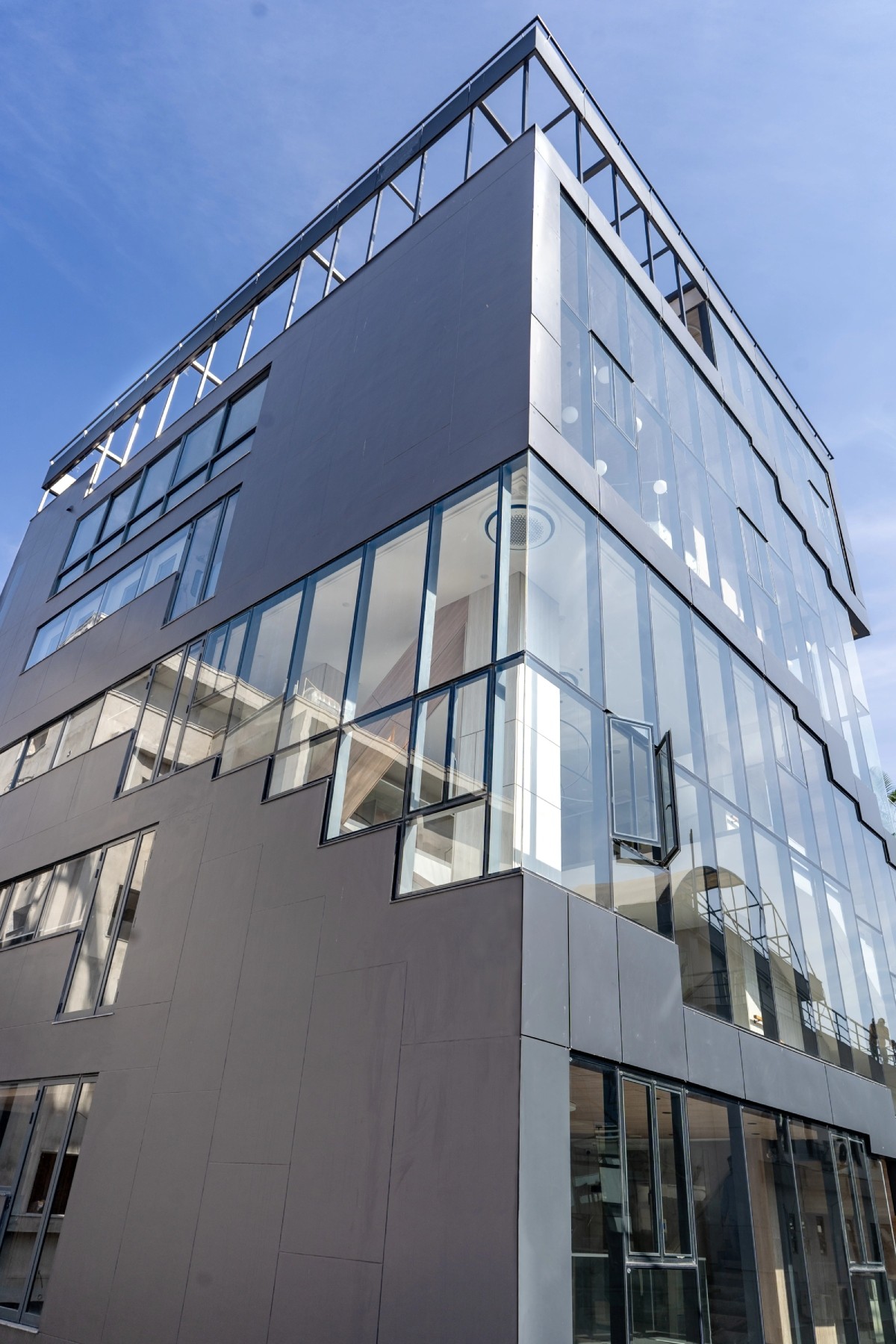
In offices, showrooms, and apartment buildings (link here to the apartment blog), aluminium windows are valued for their strength, wider-opening support, and compatibility with larger glass panels.
For renovation projects
Aluminium windows are also a practical replacement option in renovation projects where owners want to modernise the appearance of a building and reduce future maintenance.
How Aluminium Windows Are Fabricated and Installed
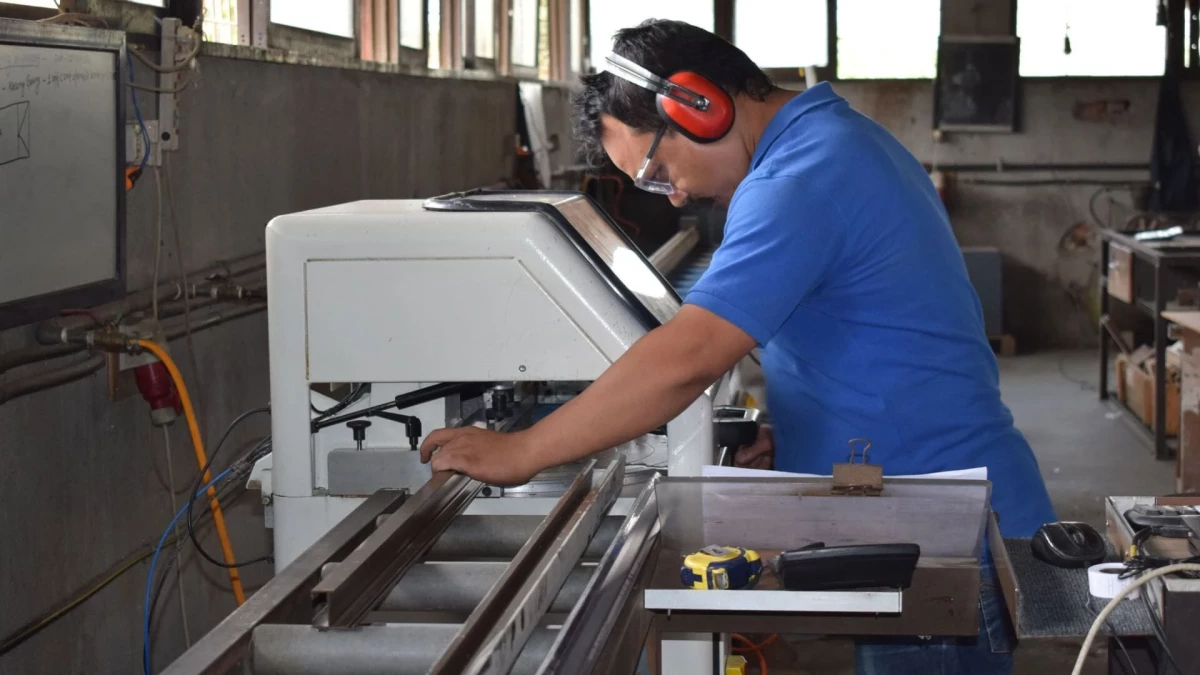
A professionally made aluminium window goes through more than simple assembly. Proper fabrication and installation directly affect its final performance.
A typical process includes:
- Site visit and measurement
- Opening assessment and design planning
- Aluminium profile cutting and fabrication
- Frame and shutter assembly
- Glass fitting and hardware integration
- Transport to the site
- Installation, alignment, sealing, and finishing
- Final checking and handover
This process is important because aluminium windows in Nepal should be made to the actual site dimensions rather than to assumed standard sizes.
Common Problems Caused by Poor Aluminium Window Quality
A useful way to build depth in this article without repeating the apartment post is to discuss what goes wrong when quality is poor.
Water leakage
Poor sealing, weak finishing, or incorrect installation can lead to leakage during heavy rain.
Rough or noisy operation
Low-grade rollers, uneven tracks, or poor alignment often make shutters difficult to move.
Frame shaking or instability
If the profile is not strong enough for the opening size, the window may feel weak or unstable over time.
Dust entering through gaps
This is often caused by poor sealing or badly finished meeting sections.
Early hardware failure
Cheap locks, handles, or hinges may wear out long before the frame itself.
How to Check Aluminium Window Quality Before Buying
Before choosing a supplier, it is worth asking practical questions rather than only comparing prices.
Check these points:
- Is the profile suitable for the opening size?
- What glass options are being used?
- What hardware brand or quality level is included?
- How is sealing handled?
- Is installation included or only fabrication?
- Is the finish powder-coated?
- Is the system being recommended based on actual site needs?
This approach helps buyers evaluate actual value rather than surface-level appearance.
Maintenance of Aluminium Windows
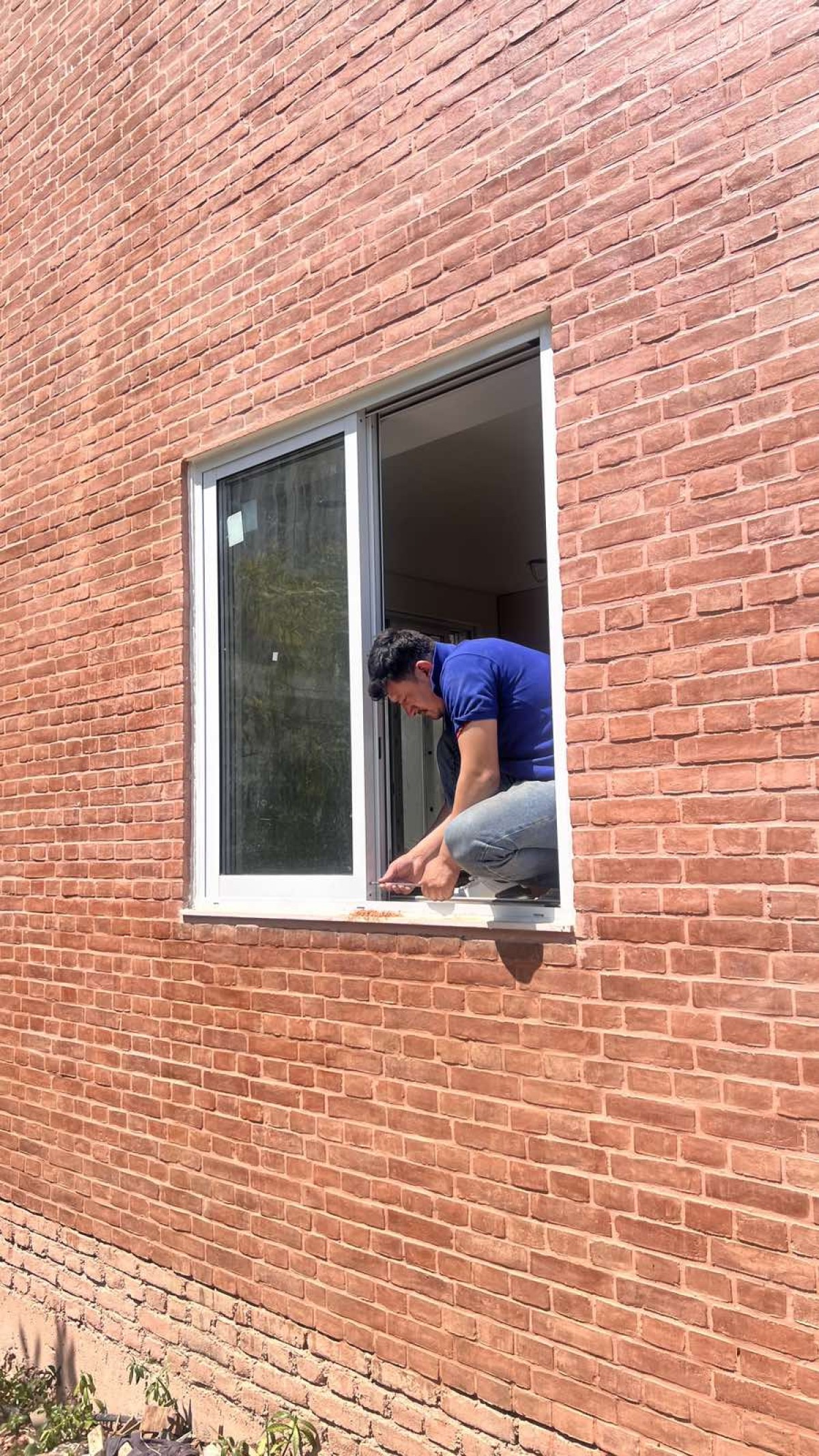
One of the biggest advantages of aluminium windows is that they require relatively little maintenance.
Basic care usually includes:
- cleaning frames and glass regularly
- removing dust from tracks
- checking rollers, locks, and hinges periodically
- inspecting sealing where needed
- avoiding forceful use if alignment problems develop
With proper fabrication and installation, aluminium windows can remain functional and visually clean for many years.
Why Aluminium Windows Offer Long-Term Value
A cheaper window is not always the better investment.
When profile quality, hardware, sealing, and installation are handled properly, aluminium windows in Nepal can provide long-term value through:
- reduced maintenance
- better resistance to weather and moisture
- improved appearance over time
- smoother daily use
- fewer repair issues
- longer service life
This makes them a practical choice for both residential and commercial property owners who want durability without excessive upkeep.
Why Choose Sky Light Pvt. Ltd. for Aluminium Windows in Nepal
Choosing the right aluminium window supplier is about more than who can fabricate a frame. It is about working with a team that can properly assess the site, recommend the right system, and install it with care.
Sky Light Pvt. Ltd. provides:
- Customised aluminum windows in Nepal
- Solutions for homes, offices, and commercial projects
- Quality-focused fabrication
- Professional installation
- Practical guidance on design, glass, and specifications
- Support from measurement to final handover
FAQs About Aluminium Windows in Nepal
Are aluminium windows good for homes in Nepal?
Yes. Aluminium windows are widely used in Nepal because they are durable, low-maintenance, and suitable for modern residential construction.
How long do aluminium windows last?
With proper fabrication, finishing, and installation, aluminium windows can last for many years.
Do aluminium windows rust?
No. Aluminium does not rust in the same way as iron, which makes it a strong option for long-term use.
Can aluminium windows be customised?
Yes. They can be customised by size, design, colour, glass type, and hardware.
Are aluminium windows suitable for commercial buildings?
Yes. They are commonly used in offices, showrooms, and larger commercial projects because they can support clean design and larger glazed openings.
Do aluminium windows need a lot of maintenance?
No. They generally require only basic cleaning and occasional hardware checks.
Final Thoughts
Aluminium windows in Nepal are not popular only because they look modern. They are preferred because they combine strength, design flexibility, durability, and low maintenance in ways that suit both residential and commercial construction.
The best result comes from choosing the right system, specifications, and installation team.
If you are planning to install aluminium windows for a new project or renovation, Sky Light Pvt. Ltd. can help you choose a solution that fits your building, your design goals, and your long-term usage needs.
Contact Sky Light Pvt. Ltd. for site measurement, consultation, and quotation for aluminium windows in Nepal.